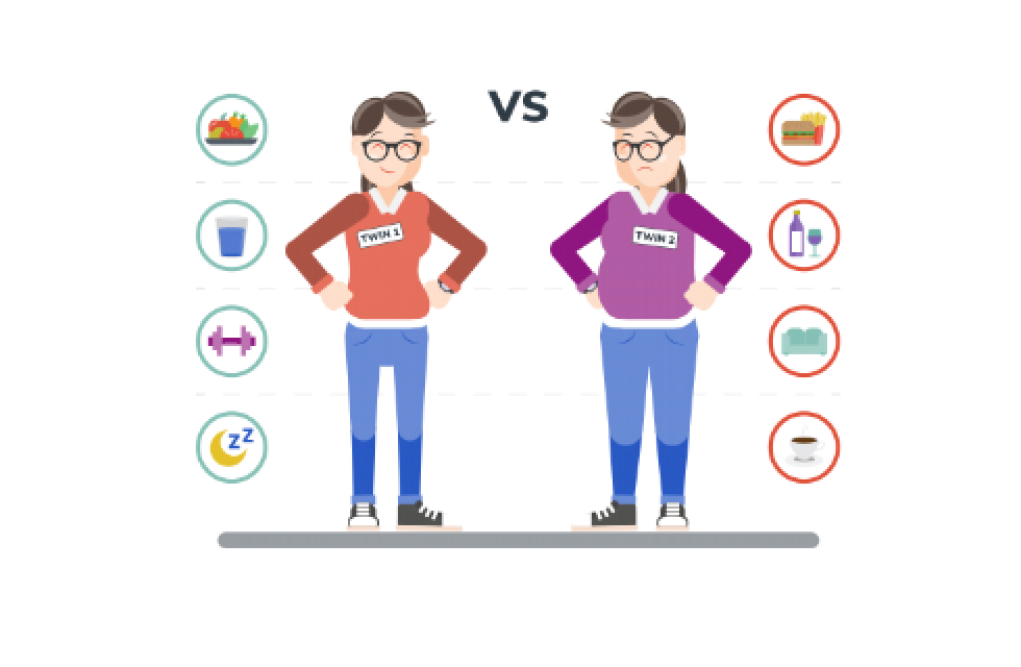
Why Your Genes Matter More Than a One-Size-Fits-All Nutrition Plan
Every human body functions like an incredibly intelligent, self-healing puzzle.
Take something as simple as folate from leafy green vegetables. Once it enters your body, it doesn’t just “get used.” It must move through a highly complex biochemical network called the methylation and one-carbon metabolism system — a system responsible for:
Creating neurotransmitters like serotonin, dopamine, and norepinephrine
Regulating detoxification and liver function
Supporting immune balance
Repairing DNA and turning genes on and off
Producing energy and managing inflammation
This single system involves over 20 interconnected enzymes, each one encoded by specific genes such as MTHFR, MTR, MTRR, SHMT, BHMT, CBS, COMT, and others. These enzymes work continuously, converting folate and related nutrients into biologically active forms your body can actually use.
Your Methylation Genes Are Unique
No two people run this cycle the same way.
Some people have fast-acting genes
Some have slow or inefficient genes
Some may have partial deletions or reduced function variants

Your body is remarkably adaptive and often learns to compensate for these differences. For many people, this works well — until life stressors stack up: poor diet, chronic stress, toxin exposure, illness, aging, or hormonal shifts.
When that happens, genetic bottlenecks can form.
These slowdowns can cause nutrient back-ups or downstream deficiencies, eventually showing up as symptoms that seem unrelated on the surface, such as:
Fatigue or brain fog
Anxiety or mood changes
High blood pressure or cardiovascular strain
Autoimmune conditions
Allergies or histamine intolerance
Hormonal imbalance
Neurodegenerative conditions
- MCAS, FMS, CFS, POTS… and many more
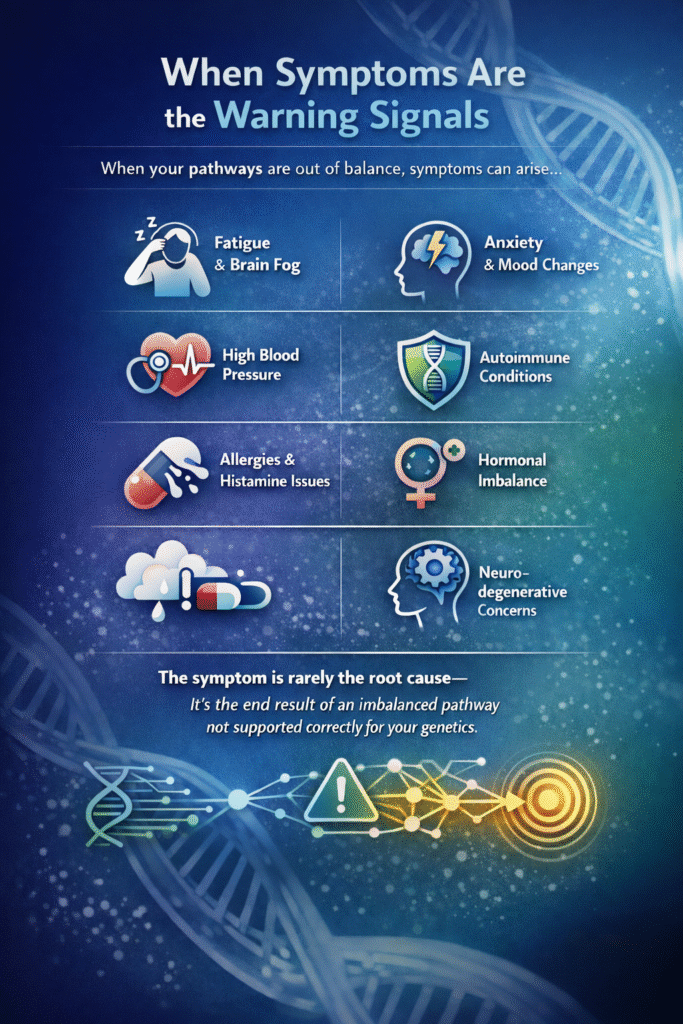
The symptom is rarely the root cause — it’s often the end result of a pathway that hasn’t been supported correctly for your genetics.
Why 3X4 Genetics Testing Is Different
3X4 Genetics looks far beyond single gene mutations. It looks at critical individual biological pathway variations.
These pathways are highly epigenetic, meaning they are strongly influenced by your choices — nutrition, lifestyle, stress, sleep, and environmental exposure.
Your genes are not your destiny.
With the right inputs, pathways can often be:
Sped up
Slowed down
Bypassed
Compensated for
The test evaluates 36 critical biological pathways and over 150 genes, including pathways involved in:
Methylation & folate metabolism
Detoxification (Phase I & II)
Neurotransmitter production
Inflammation & immune regulation
Oxidative stress
Hormone metabolism
Gut and histamine pathways
Mitochondrial energy production
Personalized Nutrition Is How Genes Become a Strength
When we understand how your specific genes function, we can design a precision nutrient plan that supports your body exactly where it needs help — rather than guessing.
This is how nutrigenomics transforms genetics from something you fear into something you use.
Instead of chasing symptoms, we support the systems underneath them — allowing your body to do what it was designed to do: function, adapt, and heal.